
Edinburgh · Loft Insulation
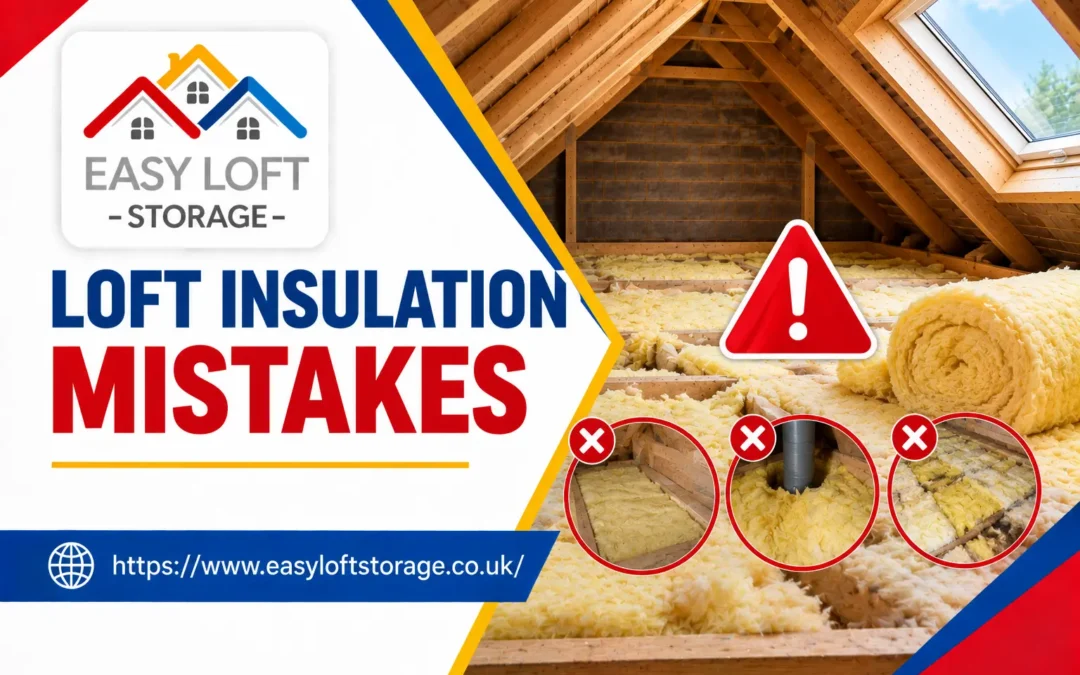
Most loft insulation mistakes don’t look like mistakes. The loft still looks insulated. The bill still goes down a bit. It’s the damp patch two winters later that gives the game away.
What this guide covers
- Common problems with loft insulation: why small mistakes cost the most
- The loft insulation mistakes that come up again and again
- What happens if loft insulation is too thick?
- How do I know if my loft is insulated properly?
- How to insulate a loft correctly from the start
- Edinburgh, Leith, Corstorphine and Musselburgh: where mistakes show up most
- Who’s behind this guide
- Frequently asked questions
Key Takeaways
- The most common loft insulation mistakes involve blocking ventilation, not adding too little material.
- Covering downlights or leaving the loft hatch uninsulated undoes far more benefit than most homeowners realise.
- Loft insulation that’s too thick isn’t dangerous, but it can block essential airflow if it isn’t managed properly at the eaves.
- Checking your loft properly is straightforward and doesn’t need specialist tools.
- Older Edinburgh properties are more prone to some mistakes than newer homes, simply due to how they were originally built.
Search “loft insulation mistakes” and most lists read the same: not enough depth, damp insulation, gaps around the edges. All true, but the mistake that actually causes the most damage, blocking ventilation, rarely gets the attention it deserves, even though it’s behind most of the condensation and damp problems that show up months after insulation goes in.
This guide covers the mistakes that genuinely matter, what too much insulation can actually cause, and a quick way to check whether your own loft is insulated properly.
Common Problems With Loft Insulation: Why Small Mistakes Cost the Most
Common problems with loft insulation rarely come from the insulation itself failing. They come from how it was installed around the details: the eaves, the hatch, the downlights, and anything stored on top of it afterwards. Get the big picture right, insulation everywhere, decent depth, and still end up with a cold room or a damp patch because one of these details was missed.
This is part of why DIY loft insulation projects sometimes disappoint homeowners despite genuine effort. The main insulating job, rolling out mineral wool across the joists, is the easy, visible part. The details that actually determine performance and safety sit around the edges, and they’re far easier to get wrong quietly.
The Loft Insulation Mistakes That Come Up Again and Again
Across most homes, the same handful of mistakes appear on repeat.
Blocking ventilation at the eaves
Pushing insulation right into the corners where the roof meets the walls feels like thoroughness, but it blocks the airflow that stops moisture building up in the roof space. Ventilation baffles, simple guides that hold insulation back from the eaves, solve this without sacrificing coverage.
Covering downlights and electrics
Recessed downlights generate heat and shouldn’t be covered directly with insulation unless they’re specifically fire and insulation rated. Covering an unrated fitting is a genuine fire risk, not just an efficiency issue.
Ignoring the loft hatch
A perfectly insulated floor with a bare, unsealed hatch still has an obvious gap for heat to escape through. It’s a small area, but an easy one to overlook entirely.
Insulating the whole loft floor perfectly, then leaving a thin, draughty hatch untouched. All that careful work still has a hole left in it.
Insulating over damp or pest damage
Adding new insulation on top of a layer that’s wet or has been affected by pests just hides the problem rather than solving it, and it can shorten how long the new material performs well too.
Compressing insulation with storage
Boxes and boards resting directly on insulation flatten it in that exact spot. We’ve covered this in detail in our how long does loft insulation last guide, since it’s less about installation mistakes and more about what happens afterwards.
What Happens If Loft Insulation Is Too Thick?
Loft insulation that’s too thick isn’t harmful on its own, mineral wool doesn’t stop working past a certain depth. The real risk is what happens around it: insulation piled up thickly right into the eaves blocks the ventilation gap needed to stop condensation, and adding far more than current recommendations rarely brings meaningful extra benefit once you’re already past 270mm.
There’s also a practical cost side to this. Buying and fitting significantly more insulation than needed spends money on diminishing returns, when that budget might be better used addressing an actual gap, like an uninsulated hatch or an unprotected downlight, that’s doing far more damage to overall performance.
If you’re topping up insulation and it’s already close to 270mm, check the eaves ventilation gap is still clear before adding more. Depth matters less than keeping that airflow path open.
How Do I Know If My Loft Is Insulated Properly?
A quick loft check covers most of what matters: even coverage across the whole floor with no thin patches, roughly 270mm depth for mineral wool, a clear gap visible at the eaves where you can see daylight or feel airflow, downlights covered with proper fire-rated covers where insulation is nearby, and an insulated, well-sealed loft hatch.
If any of these are missing or unclear, it’s worth having a proper loft insulation assessment rather than guessing from a quick look through the hatch. A short survey covers all five points in one visit and gives a clear picture rather than a rough guess from the hatch opening.
How to Insulate a Loft Correctly From the Start
Insulating a loft correctly comes down to sequence as much as material: check existing condition and depth first, deal with any damp or pest issues before adding anything new, keep the eaves clear with baffles, protect downlights and electrics properly, and finish by insulating the hatch itself. Skipping any one of these steps is how a technically “insulated” loft ends up underperforming anyway.
Edinburgh, Leith, Corstorphine and Musselburgh: Where Mistakes Show Up Most
Certain mistakes are more common in some parts of Edinburgh than others.
Leith tenements
Limited ventilation in older roof structures makes eaves blockage a bigger risk here than in most other property types.
Corstorphine semis
Older downlight installations from previous renovations are a common find, often without proper fire-rated covers in place.
Musselburgh new builds
Mistakes here are more often about storage compression than installation, since insulation usually starts well fitted and at correct depth.
For the full picture of insulation, boarding and storage together, see our complete guide to loft storage in Edinburgh.
Who’s Behind This Guide
This guide is written from hands-on experience identifying and correcting loft insulation issues across Edinburgh and the surrounding area, including Leith, Corstorphine and Musselburgh.
Easy Loft Storage checks ventilation, downlights, hatch condition and depth as standard on every survey, using our own trained team, rather than looking at insulation depth alone.
Ventilation gap information referenced in this guide is based on general UK building regulation guidance and was accurate at the time of writing. Where a loft shows signs of more than one issue at once, we treat the survey as a chance to fix the whole picture rather than the single problem that prompted the call.
Frequently Asked Questions
What are the most common problems with loft insulation?
Blocked eaves ventilation, uncovered or improperly covered downlights, an uninsulated loft hatch, and insulation compressed by stored items are the most frequent issues found during surveys.
What happens if loft insulation is too thick?
The material itself isn’t harmed by extra depth, but insulation packed too tightly into the eaves can block the ventilation gap needed to prevent condensation.
How do I know if my loft is insulated properly?
Check for even coverage at roughly 270mm depth, a clear gap at the eaves, properly covered downlights, and an insulated loft hatch. Missing any of these suggests a proper assessment is worthwhile.
How do you insulate a loft correctly?
Check existing condition first, resolve any damp or pest issues, keep the eaves ventilated with baffles, protect downlights correctly, and insulate the hatch as the final step.
Can loft insulation mistakes cause damp?
Yes. Blocking ventilation at the eaves is the most common way insulation mistakes lead to condensation and damp in the roof space over time.
Find Out What’s Actually Happening in Your Loft
Book a free survey and we’ll check ventilation, depth, downlights and hatch condition, not just insulation thickness.
Get a Free Loft Survey →


